
Introduction
Perplexity AI has no built-in analytics dashboard.
That means most websites don’t know whether they are being cited by AI search engines or completely ignored.
This creates a new challenge for SEO professionals. Visibility in AI search is becoming just as important as ranking in traditional search engines.
Millions of users now ask questions directly in AI search engines like Perplexity AI instead of relying only on traditional platforms like Google Search.
Instead of displaying a list of links, these platforms generate answers and cite the sources used to build those answers.
If your website appears in those citations, you gain:
- Increased brand authority
- Referral traffic from cited links
- Stronger AI search visibility
- Competitive trust signals
If not, your competitors gain that exposure instead.
This guide explains how to track mentions in Perplexity AI, how to monitor Perplexity AI citations, and which AI search visibility tools can measure your presence in generative search. If you also want to learn how to appear in Perplexity AI search results, we have a dedicated guide covering that as well.
By the end, you will have a working system to monitor your AI search visibility — even without any official analytics dashboard.
What Are AI Search Citations?
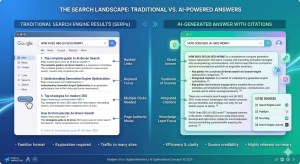
Traditional search engines and AI search engines deliver results very differently.
Search engines like Google Search rank pages based on links, keywords, and authority signals.
AI search engines generate direct answers instead.
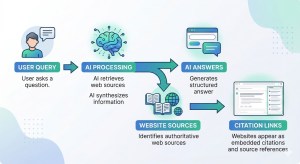
When a user asks a question in Perplexity AI:
- The AI retrieves relevant information sources from the web.
- It synthesizes the information into a structured answer.
- It cites the websites used to generate that response.
These references are known as AI search citations.
Feature | Traditional Search | AI Search |
| Result Format | List of ranked links | Generated answer |
Ranking Model | Keyword ranking | Contextual relevance |
| Visibility Metric | SERP position | Source citation |
Optimization Type | SEO | GEO + AEO |
Tracking these citations helps brands understand their true visibility in AI-powered search results.
Why Tracking Mentions in Perplexity AI Matters
Monitoring citations in AI search engines reveals how your content performs in generative search ecosystems. Here is why it matters.
1. AI Visibility
If your site appears as a source in AI-generated answers, it becomes part of the trusted knowledge layer that AI systems rely on. This exposure can influence thousands of search responses and grow over time as AI search adoption increases.
2. Brand Authority
Frequent citations signal that AI models consider your website a reliable source of information. Over time this builds perceived authority and credibility, making it more likely your content continues to be selected.
3. Generative Engine Optimization (GEO)
Tracking mentions helps measure the effectiveness of your GEO strategy. GEO is the practice of optimizing content so that AI models choose it as a reference source when generating answers.
4. Reputation Monitoring
AI models summarize information from multiple sources. Tracking citations ensures your brand is represented accurately and that outdated or incorrect information is not being surfaced from your pages.
5. Competitive Intelligence
You can analyze which competitor websites AI engines cite most frequently and identify content formats, structures, and topics that AI systems prefer. This reveals content gaps and new optimization opportunities.
How Perplexity AI Selects Sources
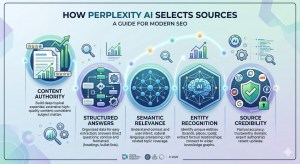
AI search engines do not randomly select sources. They analyze content using multiple signals to determine which pages are most reliable and useful. Understanding these signals helps increase the likelihood of your website being cited.
1. Content Authority
AI models prioritize sources that demonstrate strong topical expertise. Websites that publish multiple high-quality articles around a single subject are more likely to be selected as citation sources.
For example, a blog publishing 15 in-depth guides about AI search optimization will appear more authoritative than a site with only one brief post on the topic. This topical consistency signals to the AI that the website is a trusted knowledge source.
2. Structured Answer Format
AI systems prefer content that is easy to extract and summarize. Pages that include question-based headings, concise definitions, bullet lists, and step-by-step explanations are easier for AI models to parse.
For example, a section titled ‘What is Generative Engine Optimization?’ followed by a direct definition and bullet points provides a structure that AI systems can quickly extract and reuse in responses. This significantly increases citation probability.
3. Semantic Relevance
AI search engines evaluate topic relationships and context, not just keywords. Content that naturally covers related concepts provides richer meaning.
For example, an article about AI SEO that also discusses answer engine optimization, AI visibility tracking, and citation monitoring gives AI systems a fuller understanding of the topic, increasing the chance the content is cited.
4. Entity Recognition
AI models rely heavily on recognizable entities such as tools, companies, and technologies to understand context. Pages that reference known entities are easier to interpret and categorize.
Mentioning tools like Perplexity AI, ChatGPT, and Google Gemini helps AI systems accurately place your content within a topic and increases citation probability. To understand how to get your website cited by ChatGPT and AI models, read our dedicated guide on that topic.
5. Source Credibility
AI systems favor trustworthy, well-maintained domains. Signals that strengthen credibility include authoritative backlinks, expert authorship, factual references, and recently updated content.
A well-researched guide citing trusted industry sources will appear more reliable than a generic opinion article, improving the probability of Perplexity source selection.
Step-by-Step Guide to Track Mentions in Perplexity AI
Because AI platforms do not yet provide built-in analytics, manual tracking combined with monitoring tools is the most reliable approach.
Step 1: Perform Manual AI Searches
Start by searching queries directly related to your niche inside Perplexity AI.
Example queries:
- “What is answer engine optimization?”
- “Best AI SEO strategies for 2026”
- “How does generative engine optimization work?”
Check whether your website appears in the citation list on the right side of the answer.
Step 2: Test Multiple Prompt Variations
AI responses vary depending on how a question is phrased. Testing different prompts helps identify which queries trigger citations for your content.
Example prompt variations:
- “Which websites explain answer engine optimization clearly?”
- “Top blogs to learn AI SEO strategy”
- “Best resources for generative engine optimization”
- “Beginner guide to optimizing content for AI search”
By testing variations, you can measure how often your site appears across different query types.
Step 3: Inspect Citation Links
Every response in Perplexity AI includes clickable source references. Check whether your website appears among them and record the following:
- Topic or query tested
- Whether your site appeared
- Which competitor domains were cited
- Which page of yours was referenced
Step 4: Monitor Brand Mentions
Search directly for your website name or brand within AI search prompts.
Example prompt: “Best blogs about AI SEO strategy”
If your domain appears in citations, it indicates your AI search visibility is growing and AI models recognize your brand.
Step 5: Monitor Referral Traffic
Although Perplexity does not always pass referral data, some traffic may appear in Google Analytics. Look for unusual traffic increases on pages targeting AI search topics. These spikes may indicate AI search citations or content being shared from AI answers. For a broader strategy on driving organic traffic to your website, see our free 2026 guide.
Step 6: Build an AI Citation Log
Create a spreadsheet to track your results over time. Record:
- Search query tested
- Citation present (Yes/No)
- Competitor domains cited
- Page referenced on your site
- Date tested
Over time this log reveals patterns in AI citation behavior and shows whether your visibility is improving.
Best AI Search Visibility Tools for Tracking Mentions
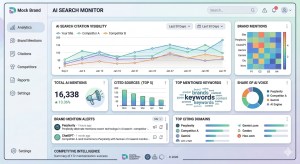
Several tools help track AI search presence and brand citations. Below are the most effective options.
Otterly.ai
Otterly.ai is built specifically for AI search monitoring. It tracks brand visibility across generative search engines including Perplexity AI, ChatGPT, and AI Overviews. It provides citation frequency data and competitor comparison reports, making it one of the most directly relevant tools for this purpose.
Profound
Profound provides dedicated analytics for AI citation tracking and visibility measurement. It helps brands monitor how frequently they appear in AI-generated answers compared to competitors, and tracks generative engine rankings across multiple AI platforms.
Brandwatch
Brandwatch is an enterprise-level brand monitoring platform. It analyzes brand mentions across news sites, blogs, and social media. These broader visibility signals influence how AI models identify authoritative sources, making it a useful indirect tracking tool.
Mention
Mention tracks brand mentions and conversations across the internet. It can detect when your brand appears in industry discussions that may later influence AI-generated responses.
Google Alerts
Google Alerts tracks new brand mentions across the web. Although it does not track AI citations directly, it helps detect content references early — which can be an indicator of growing authority that AI systems later reward.
Example: AI Share of Voice Tracking
Tracking which domains appear most often in AI answers reveals your AI share of voice. Here is an example of how this data looks:
Query | Cited Sources | Topic |
| What is Answer Engine Optimization? | HubSpot, Moz | AEO |
GEO SEO explained | Search Engine Journal | GEO |
| AI SEO strategy guide | DigitalTechMania.org | AI Search |
How to optimize for AI search | Ahrefs, Search Engine Journal | AI SEO |
Tracking this data consistently helps measure your AI share of voice across topics and identify where competitors dominate.
Strategies to Increase Mentions in Perplexity AI
Tracking mentions is important, but actively improving your AI citation probability is even more valuable. Here are the most effective strategies.
Publish Structured, Extractable Content
AI systems prefer content that answers questions directly and clearly. Use question-based headings, concise definitions, bullet points, and step-by-step guides. This format makes it easy for AI models to extract and quote your content. Read our full guide on how to appear in Perplexity AI search results for a deeper breakdown of content formatting strategies.
Build Topical Authority Through Content Clusters
Publishing multiple related articles within a niche increases the likelihood that AI engines view your site as a trusted source. Instead of one article about AI SEO, publish a cluster of related content covering AEO, GEO, AI citation tracking, and AI search analytics.
Use Entity-Based SEO
Mention relevant entities such as tools, technologies, and companies throughout your content. This helps AI models understand the context of your pages and categorize your content accurately.
Cite Credible Sources
Referencing authoritative sources increases the credibility of your content. AI models recognize and reward factual references to trusted organizations, research reports, and industry publications. This same principle applies across all AI platforms — learn more about how to get your website cited by ChatGPT and AI models in our companion guide.
Update Content Regularly
AI systems favor recently updated pages because they signal accuracy and relevance. Adding new data, updated examples, and fresh insights helps maintain and grow AI citation visibility over time.
Common Mistakes When Tracking AI Mentions
Many SEO professionals misunderstand how AI citation tracking works. Avoid these common mistakes.
Relying Only on Google Rankings
High rankings in Google do not guarantee citations in AI search results. AI engines evaluate content clarity, structure, and topical authority differently from traditional search algorithms. A lower-ranking page with better structured answers may still be cited by AI systems.
Testing Only One Prompt
AI answers vary depending on how a question is phrased. Testing only one prompt means you may miss many citation opportunities. Always test multiple prompt variations to get a complete picture of your AI search visibility.
Ignoring AI Visibility Metrics
Many brands focus only on traffic and backlinks. AI search visibility is becoming a major discovery channel. Ignoring AI citations means missing important insights about how AI models perceive and trust your content.
Weak Content Structure
Unstructured content with large text blocks is difficult for AI systems to extract. Pages lacking clear headings, bullet lists, and concise explanations may be skipped in favor of more structured sources.
Lack of Entity Context
Content without recognizable entities is harder for AI models to interpret and categorize. Including relevant tools, technologies, and platforms significantly improves how AI systems understand what your content represents.
Ignoring Topic Clusters
Publishing only one article rarely builds sufficient authority. AI engines prefer websites that publish topic clusters covering multiple related subjects. Without a cluster strategy, your site may not appear authoritative enough for consistent citations.
People Also Ask
How do you track mentions in Perplexity AI?
You can track mentions by testing relevant queries in Perplexity AI, inspecting the cited sources within AI-generated answers, and recording when your website appears. Using AI monitoring tools like Otterly.ai and Profound adds further visibility.
Does Perplexity show which websites it cites?
Yes. AI responses in Perplexity AI display clickable source links alongside the generated answer, showing exactly which websites contributed information.
How do I know if Perplexity mentioned my website?
Search relevant queries in Perplexity and check whether your domain appears among the cited sources. Building an AI citation log helps track this over time.
What tools help monitor AI citations?
Tools like Otterly.ai and Profound are built specifically for AI search monitoring. Brandwatch and Mention help track broader brand visibility signals.
Can you monitor AI search citations without paid tools?
Yes. Manual prompt testing in Perplexity AI combined with a tracking spreadsheet is a free and effective starting method, particularly for smaller sites.
Frequently Asked Questions
Can Perplexity AI drive traffic to websites?
Yes. When your website appears as a cited source in a Perplexity AI response, users can click the reference link to visit the original page. Although traffic volumes may currently be smaller than traditional search, AI search traffic is expected to grow significantly as adoption increases.
Are AI citations replacing traditional SEO rankings?
No. AI citations complement traditional search rankings rather than replacing them. Websites still need strong SEO foundations — good content, authority, and backlinks — to be discovered and trusted by AI systems in the first place.
Why is AI search visibility becoming important?
AI search engines are rapidly becoming a new discovery channel where users receive direct answers rather than browsing traditional results. Brands that gain visibility in AI answers will benefit from exposure at the moment users are actively seeking information.
Do AI citations affect Google SEO rankings?
AI citations do not directly impact Google Search rankings. However, increased brand authority, traffic, and visibility from AI citations can indirectly improve search performance over time.
How often should you check AI citations?
It is recommended to monitor AI citations weekly or monthly, especially after publishing new content. Regular checks help identify which topics are gaining visibility and where new optimization opportunities exist.
Actionable Checklist for Tracking Perplexity Mentions
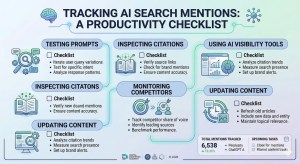
Use this checklist to begin monitoring your AI search visibility consistently.
Task | Purpose |
Test multiple prompts in Perplexity AI | Identify citation opportunities |
Test prompt variations for the same topic | Capture different AI response patterns |
Inspect citation sources in each response | Confirm your domain appears |
| Track competitor domains being cited | Understand AI preferences |
Monitor brand mentions in AI prompts | Detect indirect references |
Use Otterly.ai or Profound | Measure AI share of voice |
Publish structured, question-based content | Improve citation probability |
Build topic clusters in your niche | Strengthen topical authority |
Update existing content regularly | Maintain freshness signals |
| Cite credible external sources | Increase content credibility |
Related Guides
For further reading on AI search optimization and growing your website visibility, explore these related resources:
How to Get Organic Traffic to Your Website in 2026 (Free Guide)
How to Appear in Perplexity AI Search Results
How to Get Your Website Cited by ChatGPT and AI Models
Explore More AI SEO Guides on Digital Tech Mania
Final Thoughts
AI search is reshaping how users discover information online.
Instead of competing only for search rankings, websites must now compete for AI citations. The publishers who build structured, authoritative, and regularly updated content today will gain a compounding advantage as AI search continues to grow.
Start by testing your niche queries in Perplexity AI this week. Record what appears. Build your citation log. Then use the strategies in this guide to optimize your content for AI extraction.
The monitoring process does not require expensive tools to start — just consistent testing and a clear tracking system.
Author: Digital Tech Mania Team
Reviewed by: Roshan Kumar — SEO Specialist with 4+ years of experience
Website: digitaltechmainia.org
Leave a Reply